Hiring Vs Owning Commercial Vehicles: What’s Right For Your Fleet?
Last Updated: 20th March 2026
Jump To
- Hiring Commercial Vehicles
- Owning Commercial Vehicles
- Choosing The Right Option For Your Fleet
- How U-Drive Can Help
Hiring Commercial Vehicles
Hiring offers flexibility, especially valuable for businesses with changing needs, seasonal work, or uncertain long-term plans.
Benefits of hiring commercial vehicles include:
-
No large upfront investment: You avoid the capital outlay of buying new vehicles. This is particularly useful for businesses that want to retain working capital for other areas.
-
Predictable monthly costs: With most hire agreements, you’ll get a fixed monthly rate that includes servicing and support, helping simplify budgeting and reduce unexpected costs.
-
Scalability: Need more vehicles for a project or contract? Hiring lets you upscale (or downscale) quickly without being tied to long-term ownership. This can be ideal for sectors like grounds maintenance or construction teams where seasonal peaks and project-based work are common.
-
Less admin: From maintenance to road tax, most of the day-to-day vehicle admin is handled for you, freeing up your time.
-
Up-to-date vehicles: Hiring gives you access to newer, more efficient models that meet the latest emissions standards, a growing priority under the ZEV Mandate. Newer vehicles tend to be more reliable, reducing breakdowns and downtime, which helps keep your operations running smoothly and efficiently.
In addition, upgrading your fleet with newer models can significantly lower your environmental impact by cutting emissions. For businesses aiming to meet sustainability targets or start integrating electric vehicles (EVs), flexible hire is a practical way to test and transition your fleet without long-term commitments.
If you're looking to move towards electric or low-emission vehicles, our EV Consultancy service can guide you through the process, helping your business meet the ZEV Mandate and achieve your green goals.
Some considerations when hiring your fleet include the long-term commitment if you choose contract hire or leasing. Unlike flexible vehicle hire, you agree to a fixed term and may receive penalties for early termination.
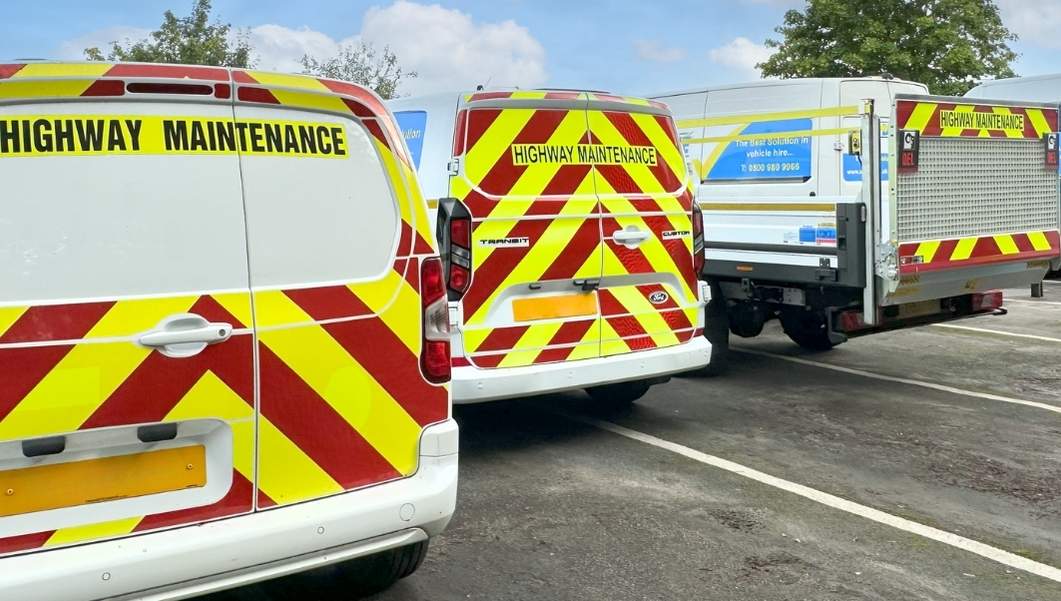
Another consideration is that mileage allowances may apply, and customisation can sometimes be limited when hiring. When you hire with U-Drive Pro, we can customise your vehicles to your requirements. By fitting accessories, livery, and Chapter 8, your vehicles will be ready to work from delivery.
Owning Commercial Vehicles
Ownership has its place, and for some businesses, especially those with very stable long-term requirements, it can make financial sense.
Benefits of owning vehicles:
-
You own an asset: Once you’ve paid for the vehicle, it’s yours. If you plan to use it for many years, this might be more cost-effective over time. And when it comes to replacing the vehicle, you may be able to recoup some of the value through resale or part exchange.
-
No usage restrictions: You’re free to modify or brand the vehicle however you want, without approval from a hire provider.
-
Potential tax advantages: Depending on how your business is structured, ownership may come with depreciation or capital allowance benefits. (Always check with your accountant.)
But there are challenges. When you own your vehicles outright, you're responsible for all ongoing maintenance, breakdown cover, MOTs, tyre replacement, and regular servicing. This can take up significant admin time and introduce unexpected costs throughout the vehicle's lifespan.
Depreciation is another key factor. New vehicles lose value quickly, especially in the first few years, which can affect the return on your investment if you decide to sell or part-exchange later on.
And when the time does come to replace or sell, you’ll need to manage the process yourself. Disposing of vehicles or sourcing replacements adds time, paperwork, and potential delays to your operation.
Choosing The Right Option For Your Fleet
There’s no one-size-fits-all answer when deciding between owning or hiring commercial vehicles, so it's worth considering these key factors:
-
Duration of vehicle use: Assess whether your needs are short-term, seasonal, or long-term, as this will impact which option better aligns with your operational requirements.
-
Available capital and cash flow: Consider the financial resources you have for upfront investment versus ongoing costs, and how this affects your budget and cash flow management.
-
Nature of your work: Think about whether your vehicle needs fluctuate due to project-based, seasonal, or long-term contracts, which can influence the level of flexibility required.
-
Risk and administrative responsibility: Reflect on how much maintenance, compliance, and resale risk you are prepared to manage internally versus outsourcing these responsibilities.
How U-Drive Pro Can Help
At U-Drive Pro, we support businesses across the UK with flexible, short-term, and long-term commercial vehicle hire, from vans and tippers to specialist vehicles, all available with customisation options.
As a named supplier on key public sector procurement frameworks, including CCS, ESPO, TPPL, and Halton Housing, we help public sector organisations stay compliant and simplify vehicle hire.
Explore our Business Vehicle Hire and Public Sector pages to find out how we can support your vehicle needs and help you choose the best options for your organisation.
If you’re unsure whether hiring is the right choice for your fleet, contact us, and our team will help guide you to the best solution based on your specific needs.