Diesel vs Plug-In Hybrid (PHEV) Vans – Which Is Best For Your Business?
Last Updated: 13th March 2026
Jump To
- What Is A Plug-In Hybrid (PHEV) Van?
- Diesel Vs Plug-In Hybrid Vans: Key Differences
- Do You Need To Charge A Plug-In Hybrid Van?
- What Happens When You Do Charge A PHEV?
- Are Plug-In Hybrid Vans Better Than Diesel?
What Is A Plug-In Hybrid (PHEV) Van?
A plug-in hybrid van combines two power sources:
- A traditional petrol engine
- An electric motor and battery
The battery can be charged externally, but the vehicle can also run using the petrol engine when needed.
This means a PHEV can operate in three ways:
- Electric only for shorter journeys
- Hybrid mode, using both petrol and electric power
- Petrol only, if the battery is not charged
This flexibility is one of the main reasons businesses are considering plug-in hybrids as an alternative to diesel.
Diesel vs Plug-In Hybrid Vans: Key Differences
When comparing diesel vans and plug-in hybrid vans, businesses typically consider several key factors, including emissions, fuel efficiency, and day-to-day practicality.
Emissions
Diesel vans generally produce higher levels of CO₂ emissions compared with plug-in hybrid vehicles.
Plug-in hybrid vans can significantly reduce emissions, particularly when electric driving is used. This can be beneficial for businesses looking to lower their environmental impact, meet sustainability targets, or operate in areas with stricter emissions requirements.
Lower CO₂ emissions can also support businesses that need to monitor and report their carbon footprint, helping organisations work towards environmental reporting or carbon reduction goals.
Lower-emission vehicles may also help businesses operate more easily in low-emission zones or clean air zones, where higher-emission vehicles may face restrictions or additional charges. With regulations such as the ZEV Mandate shaping the future of transport, many businesses are beginning to review their fleet strategies.
For organisations exploring lower-emission vehicle options, understanding the right mix of diesel, hybrid, and electric vehicles can be complex. Our EV Consultancy service helps businesses assess their fleet requirements and transition towards lower-emission vehicles.
Fuel Efficiency
Diesel vehicles have long been valued for their efficiency on long-distance motorway driving, where the engine can operate consistently at higher speeds.
Plug-in hybrid vans, however, can achieve very high fuel efficiency when electric driving is combined with petrol power. Even when running primarily on petrol, PHEV vans can still deliver competitive fuel economy compared with diesel vans.
Running Costs
When choosing between diesel and plug-in hybrid vans, running costs are another important consideration for businesses.
While diesel engines have traditionally been known for efficiency, plug-in hybrid vans can help reduce fuel consumption by using electric power for shorter journeys.
Petrol is also typically around 5–15p per litre cheaper than diesel in the UK, which can help reduce running costs when a plug-in hybrid van is operating on petrol only.
For businesses able to regularly charge their vehicles, the ability to drive partially on electric power can reduce fuel costs even further.
Driving Range
Diesel vans typically offer very long driving ranges, making them well-suited to businesses that regularly travel long distances without frequent stops.
Plug-in hybrid vans offer flexibility instead. Drivers can use electric power for shorter journeys and rely on the petrol engine for longer trips, removing the range limitations associated with fully electric vans.
Flexibility
One of the biggest advantages of diesel vans is their simplicity and familiarity. They operate entirely on fuel and can be quickly refuelled at any fuel station, making them straightforward for businesses that want a traditional setup.
Plug-in hybrid vans offer a different type of flexibility. Like diesel vehicles, they can also be refuelled quickly with petrol when needed. However, they also provide the option of electric driving when charging is available, allowing businesses to reduce emissions and fuel consumption without relying entirely on charging infrastructure.

Do You Need To Charge A Plug-In Hybrid Van?
One of the most common misconceptions about plug-in hybrids is that they only make sense if they are charged every day.
In reality, a plug-in hybrid van can still be used even if it is not regularly charged. The petrol engine allows the vehicle to operate like a conventional van when charging is not available.
Plug-in hybrid vans can even deliver lower emissions and competitive fuel economy compared with diesel alternatives, even when running primarily on petrol.
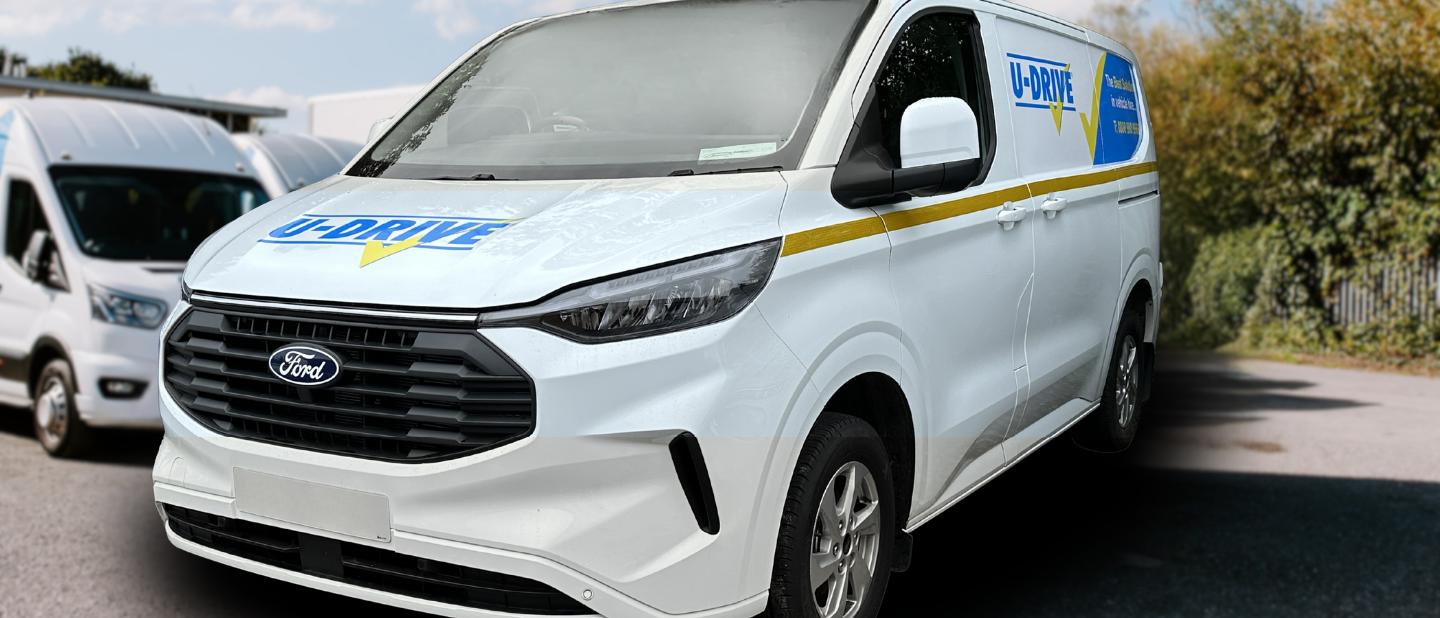
For example, the Ford Transit Custom PHEV can still offer strong efficiency compared with diesel versions of the same vehicle, even when operating without charging.
| Diesel 136ps Manual | Diesel 136ps Automatic | PHEV (Petrol Only) 232ps Automatic | |
| CO₂ | 191 g/km | 204 g/km | 164 g/km |
| MPG | 38.7 | 36.2 | 39.2 |
This means businesses that are not yet ready to rely fully on charging infrastructure can still benefit from hybrid technology, while also having the option to charge the vehicle when convenient.
All figures quoted are based on WLTP data from the Ford website
What Happens When You Do Charge A PHEV?
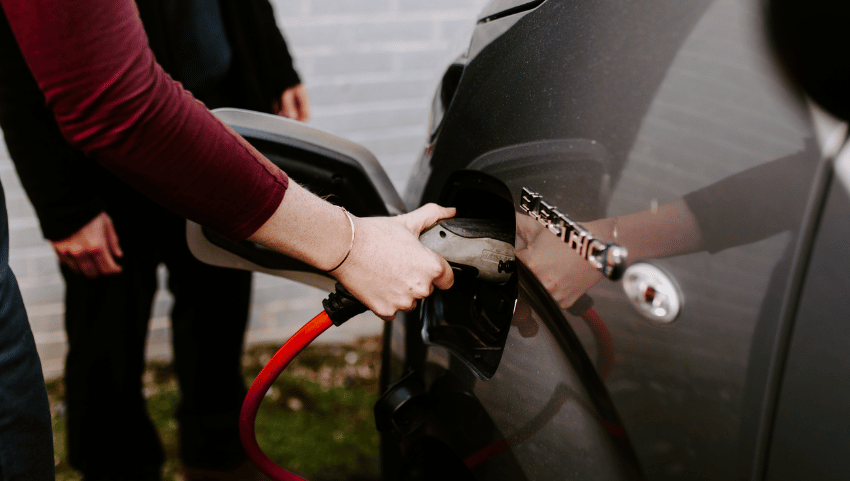
Charging a plug-in hybrid van unlocks the full potential of the electric motor and battery.
When a PHEV is charged, it can deliver:
- Significantly lower CO₂ emissions
- Improved fuel efficiency
- Electric-only driving for shorter journeys
In the case of the Ford Transit Custom PHEV, charging the battery allows drivers to achieve up to 23–35 miles of electric-only driving, which can be particularly useful for urban deliveries, short business trips, or driving in low-emission zones.
When electric power is used alongside the petrol engine, the efficiency improvements can be substantial.
| PHEV 232ps Automatic | |
| CO₂ | 37 g/km |
| MPG | 176.6 |
This allows businesses to significantly reduce emissions and fuel consumption, while still maintaining the flexibility of a petrol engine for longer journeys when needed.
All figures quoted are based on WLTP data from the Ford website
Are Plug-In Hybrid Vans Better Than Diesel?
The answer depends largely on how the vehicle will be used.
Diesel vans may still be the best option for businesses that:
- Regularly drive long motorway distances
- Require heavy towing capability
- Operate in areas where charging infrastructure is limited
However, plug-in hybrid vans can be particularly beneficial for businesses that:
- Operate in urban or mixed driving environments
- Want to reduce emissions
- Are not yet ready to switch fully to electric vehicles
In many cases, a plug-in hybrid van offers a practical middle ground between traditional diesel vehicles and fully electric vans.
Plug-in hybrid vans offer businesses a practical alternative to traditional diesel vehicles. They provide the flexibility of a petrol engine while also allowing drivers to benefit from electric power when it is available.
Importantly, plug-in hybrids do not require constant charging to be effective. Even when running primarily on petrol, vehicles such as the Ford Transit Custom PHEV can still offer competitive efficiency and lower emissions compared with some diesel alternatives.
For many businesses, plug-in hybrid vans represent a practical step towards reducing fleet emissions without sacrificing flexibility or convenience.
If you're interested in learning more about the Ford Transit Custom PHEV, or want to discover our flexible hire options, contact us today.
Contact us today to find out more.